English
  Français
  Español
  Português
  Deutsch
  العربية
  Italiano
  Nederlands
  Русский
  日本語
日本語 Sugarcane (Bagasse) Plates: Advantages, Use Cases & 2025+ Compliance
Key Takeaway: Sugarcane (bagasse) plates outperform traditional paper and foamed plastics across heat resistance, oil/water barrier, microwave suitability, structural strength, and end-of-life compostability—becoming the default plastic-free choice for takeaway and catering.
Why It Wins: Short-term heat window of 120–150°C (SKU-dependent), densified fibers to reduce leakage, industrial/home compostability (region-dependent), PFAS-free options, and a lower-carbon byproduct story that aligns with EPR and PPWR 2026 trajectories.
Best-Fit Scenarios: Hot & oily dishes, BBQ/cookouts, corporate & school canteens, airline/rail catering, events & expos, food trucks & markets.
Buying Criteria: Diameter/grammage/rim height/compartments; validated heat curves; oil/water barrier targets; LFGB/FDA and PFAS-free dossiers; carton/pallet/container optimization.
Sugarcane Plates 2025+: The Data-Driven Case for Heat-Safe, PFAS-Free, and Compostable Dinnerware
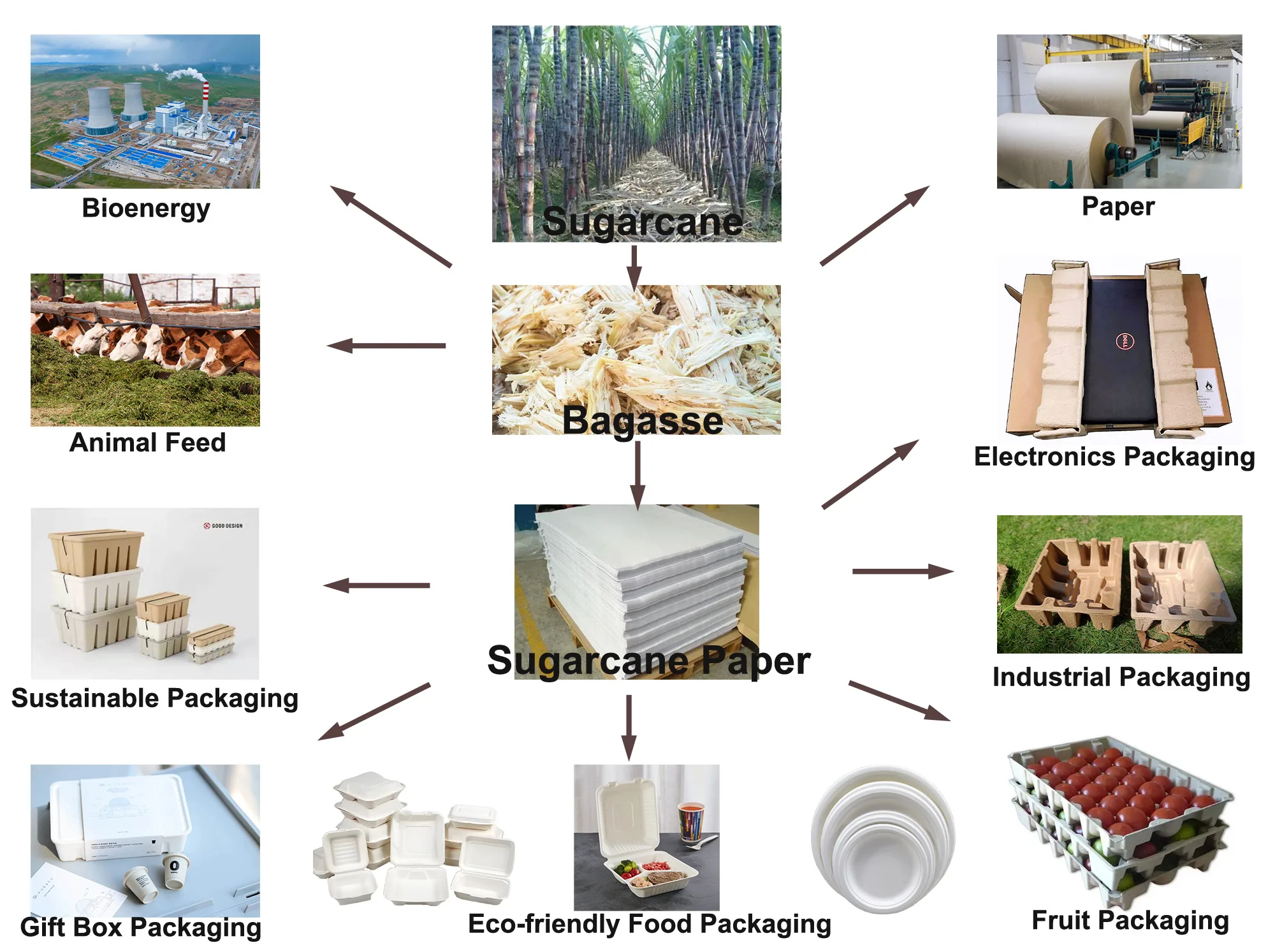
Sugarcane bagasse, an agricultural byproduct of sugar refining, has rapidly moved from niche alternative to mainstream choice in disposable dinnerware. Through clean pulping, wet-forming, and hot-pressing, the fibrous matrix is densified into rigid, leak-resistant plate bodies. The result is a plate that can endure demanding foodservice conditions—hot, oily, or saucy dishes—while enabling an end-of-life pathway aligned with modern policy frameworks and consumer expectations.
Compared with coated paper plates or expanded polystyrene/foamed plastics, sugarcane plates deliver steadier performance across the whole lifecycle. They reduce operational risks during service, simplify compliance under evolving regulations (such as EPR systems and the EU’s PPWR 2026 direction), and advance a credible sustainability narrative: byproduct reuse → high-performance use phase → bio-circular exit. This article consolidates the material science under the surface, the operational economics that matter, and the compliance roadmaps that will shape procurement decisions through 2026 and beyond.

1) Material Science Advantages: What the Fiber Structure Really Delivers
1.1 Rigidity and Load-Bearing
At comparable grammage, bagasse plates exhibit superior rim stiffness and in-plane strength relative to uncoated or standard paper plates. The densified fiber skeleton—achieved via pressure, heat, and moisture control—translates into more stable handling during plating, stacking, and transport. For operators managing high-throughput service windows, rigidity directly reduces accidental bends and collapse events that lead to re-plating, delays, or customer dissatisfaction.
1.2 Oil/Water Barrier Without Legacy Fluorochemistries
Modern bagasse plates can be engineered to achieve robust resistance to both oil and aqueous phases without relying on legacy PFAS chemistries. Through a combination of fiber purification, densification, and food-grade surface treatment, oil and broth migration can be slowed into operationally acceptable windows (e.g., hours at ambient). In practical terms, this mitigates the most visible failure mode for disposable plates: slow seepage that stains tables, softens rims, and undermines consumer trust.
1.3 Temperature Window and Microwave Suitability
Bagasse plates are typically microwave-safe. Under short-term exposure, many SKUs can tolerate 120–150°C, depending on design and time. While operators should validate each SKU against their actual use case, the general pattern is clear: bagasse offers a wider usable temperature envelope than common paper alternatives and vastly more than foamed plastics—especially for hot and oily cuisines such as wok-fried dishes or barbecue items.
1.4 Sensory and Brand Alignment
The natural matte surface and tactile hand-feel of sugarcane plates communicate “clean and sustainable” to end-customers. Unlike shiny or plasticky finishes, the organic aesthetic aligns with brand narratives around wholesome ingredients, transparent supply chains, and eco-positive lifestyles. In QSR and premium fast-casual settings, presentation quality is increasingly recognized as a growth lever, influencing user-generated content and social amplification.
2) Food Contact Safety and the PFAS-Free Roadmap

2.1 Regulatory Baseline
Commercially mature bagasse compostable plates are produced under food contact safety frameworks such as LFGB (EU) and FDA (US), with batch traceability as standard practice. Buyers should request documentation that ties test reports to actual batch IDs, ensuring traceable compliance in the event of audits or customer inquiries. As foodservice brands face heightened scrutiny, fully documented supply chains are increasingly a competitive necessity rather than a nice-to-have.
2.2 PFAS-Free Specifications
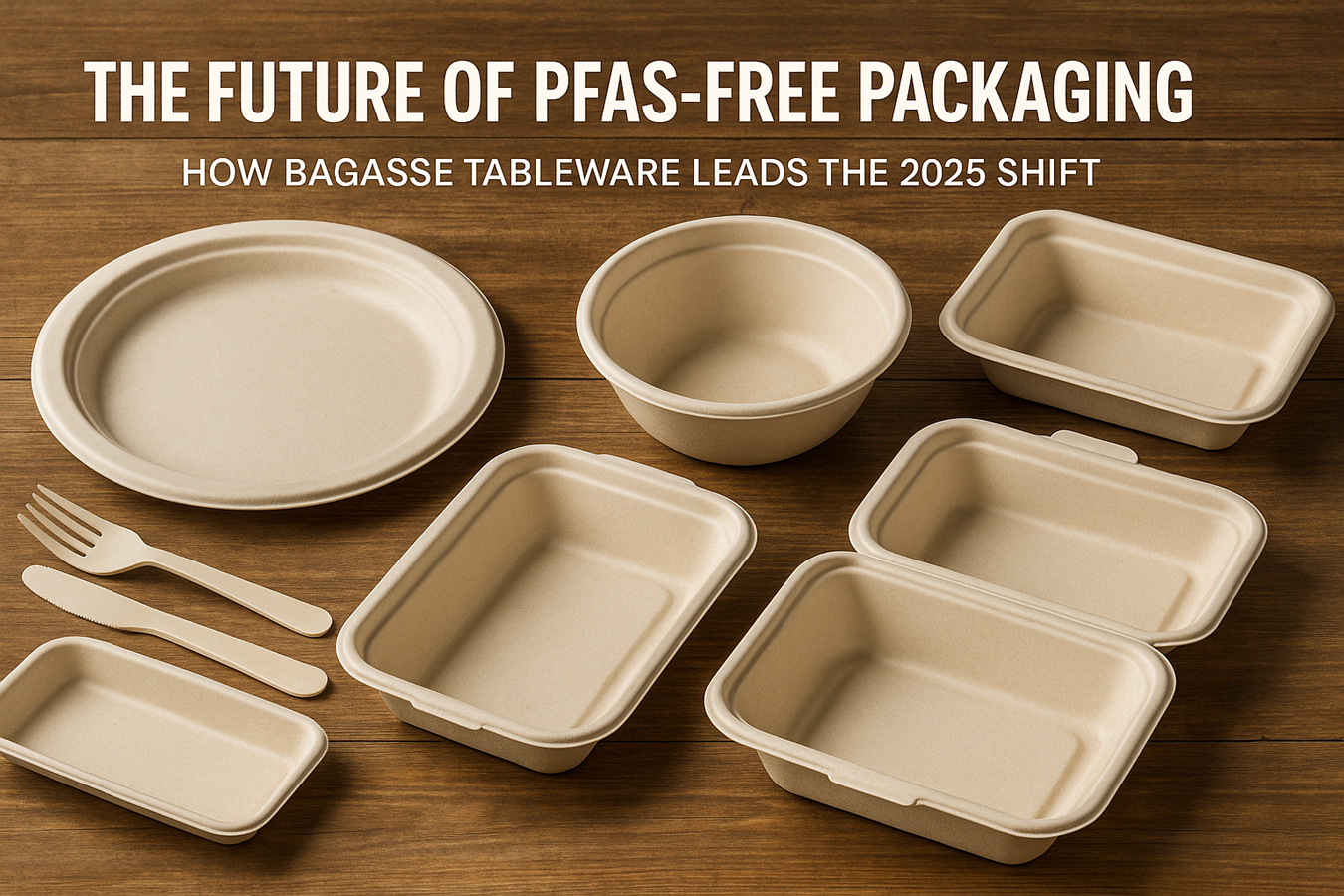
PFAS-free formulations are now readily available for bagasse plates, supported by third-party test results. Procurement teams should lock the PFAS-free requirement into specifications and supplier agreements, ensuring both upstream material control and downstream labeling alignment. In jurisdictions where PFAS restrictions are accelerating, early transition removes the risk of forced relabeling, product withdrawal, or reputational impact.
2.3 Odor and Migration Control
Fiber purification, controlled drying profiles, and hot-press parameters are tuned to reduce off-odors and migration. This is essential for aromatic cuisines and for sensitive environments (e.g., healthcare or airline catering) where even slight odors can trigger negative feedback. In trials, buyers should include simple sensory checks as part of acceptance criteria to validate the manufacturing controls promised in the supplier’s dossier.
3) End-of-Life: Matching the Real World of Composting and Waste Systems

3.1 Industrial Composting as the Primary Pathway
Bagasse plates are generally suitable for industrial composting when certified to regional standards (e.g., EN13432 or ASTM D6400). The industrial route offers controlled conditions—temperature, aeration, moisture, microbial activity—that ensure predictable breakdown timelines. For procurement, industrial compostability simplifies site operations when paired with organics separation programs, enabling consistent waste handling processes.
3.2 Home Composting Feasibility
Home composting is feasible in some regions and climates, but performance depends on local conditions (feedstock mix, moisture, microbial communities, ambient temperature) and correct household practices. Where home composting guidance exists, it should be followed closely. Procurement should avoid blanket claims; instead, specify “industrial compostable” and provide region-specific guidance for household use where appropriate.
3.3 Policy Fit: EPR and the PPWR 2026 Direction
The policy environment is shifting toward organics diversion, reduced plastic usage, and extended producer responsibility. In the EU/UK, PPWR discussions and emerging EPR mechanisms incentivize materials that can demonstrate safe end-of-life pathways and verifiable claims. In North America and APAC markets, single-use plastic restrictions and compostability claim management are tightening. Bagasse plates are structurally aligned to these trends: a non-plastic, fiber-based product with industrial compostability and a byproduct reuse narrative that policy makers increasingly reward.
4) Performance Benchmarks: How to Read (and Use) the Curves

4.1 Heat Curves
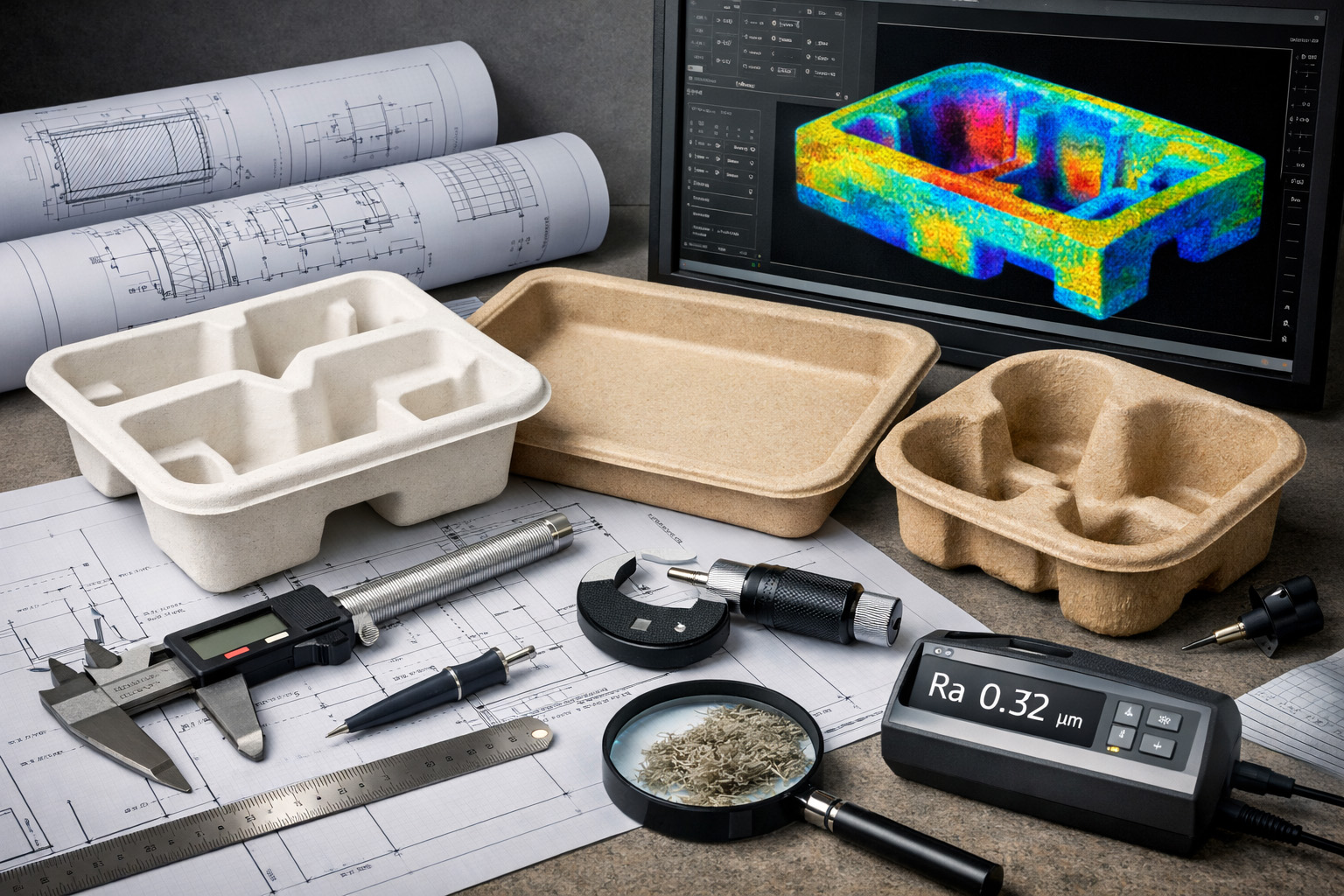
For real-world operations, “temperature × time” is more actionable than a single “max temperature” number. A strong supplier will provide heat curves that define safe windows for microwave use and short-term oven exposure at multiple setpoints (e.g., 100°C, 120°C, 150°C). Invalidation of edge cases—such as direct contact with oven elements or prolonged dry heat—is equally important to prevent misuse on the floor.
4.2 Oil/Water Leak Windows
Leak resistance should be measured for both aqueous and oily media. Practical validation can set no-leak targets (e.g., 2–4 hours at ambient) that match service times. Higher-fat menus require stricter validation; heavy sauce dishes or hot broths may need checks at elevated temperatures. Clear, quantified targets allow comparable bids and fair TCO analysis across materials and suppliers.
4.3 Strength and Stiffness
Rim stiffness and in-plane strength are key determinants of performance in crowded service lines and during transport. While lab metrics matter, field testing—stacking weight, tray carry, accidental bumps—often exposes differences that are not obvious on paper. Buyers should combine lab data with small-scale field trials to detect hidden failure modes before a large procurement decision.
5) Operations and Total Cost of Ownership (TCO)
5.1 Container Load Efficiency
Thoughtful plate geometry (rim angle, nesting, and edge height) can increase carton and container densification. With global freight volatility, a few percentage points of additional load factor compound into meaningful savings at scale. Procurement teams should compare delivered cost per plate at equal service performance, not just factory gate pricing.
5.2 SKU System Design
Most menus can be covered by 8–10 core diameters supplemented by a handful of compartment formats. Reducing long-tail SKUs unlocks economies of scale, lowers safety stock, and simplifies training. Data-informed SKU design is especially valuable for multi-unit operators who need predictable replenishment cycles and tight waste control.
5.3 Loss Reduction During Service
Stronger rims and better leak control reduce re-plates and messy do-overs—an invisible cost in many operations. By minimizing deformation and seepage, bagasse plates help maintain presentation standards and turn tables faster. In high-volume events, even small differences in handling translate into measurable throughput gains.
5.4 Brand and Customer Experience
Consumers increasingly judge the sustainability and aesthetics of packaging as part of the meal experience. Sugarcane plates’ natural look, PFAS-free story, and compostability claims make them a shareable “proof point” for brands. Add tasteful embossing or subtle printing and you reinforce the premium, responsible identity without overwhelming the plate’s clean aesthetic.
6) Use Cases That Benefit Most
- Hot & Oily Cuisines: Stir-fries, curries, braises, and barbecue dishes that challenge oil resistance and rigidity.
- Institutional Catering: Corporate, school, and healthcare canteens requiring reliable, safe, and policy-aligned disposables.
- Airline & Rail Catering: Strict sensory thresholds and operational rigor make the heat window and odor control especially valuable.
- Events, Expos, and Festivals: High-volume peaks, variable menus, and rapid clearing favor plates that keep their shape and resist seepage.
- Food Trucks & Markets: Limited prep areas and fast turnover magnify the benefits of plates that handle saucy foods cleanly.
7) Regulation Readiness: Mapping to 2025–2026 Milestones
EU/UK: Aligning to PPWR trajectories (reduction of problematic plastics, clearer compostability labeling) while participating in EPR programs is now baseline for serious operators. Fiber-based, industrially compostable plates reduce exposure to plastic policy headwinds and simplify claim management.
US/CA/AU/NZ: Regional plastic restrictions, labeling standards, and organics diversion initiatives are proliferating. PFAS-free documentation and compostability claims are increasingly scrutinized. Sugarcane plates, with PFAS-free options and industrial compost pathways, provide policy-resilient defaults.
Food Contact Law: Maintain up-to-date LFGB/FDA test reports tied to batches. Insist on PFAS-free declarations where required, and implement periodic third-party screening as part of vendor management.
8) Comparative Snapshot: Where Bagasse Leads
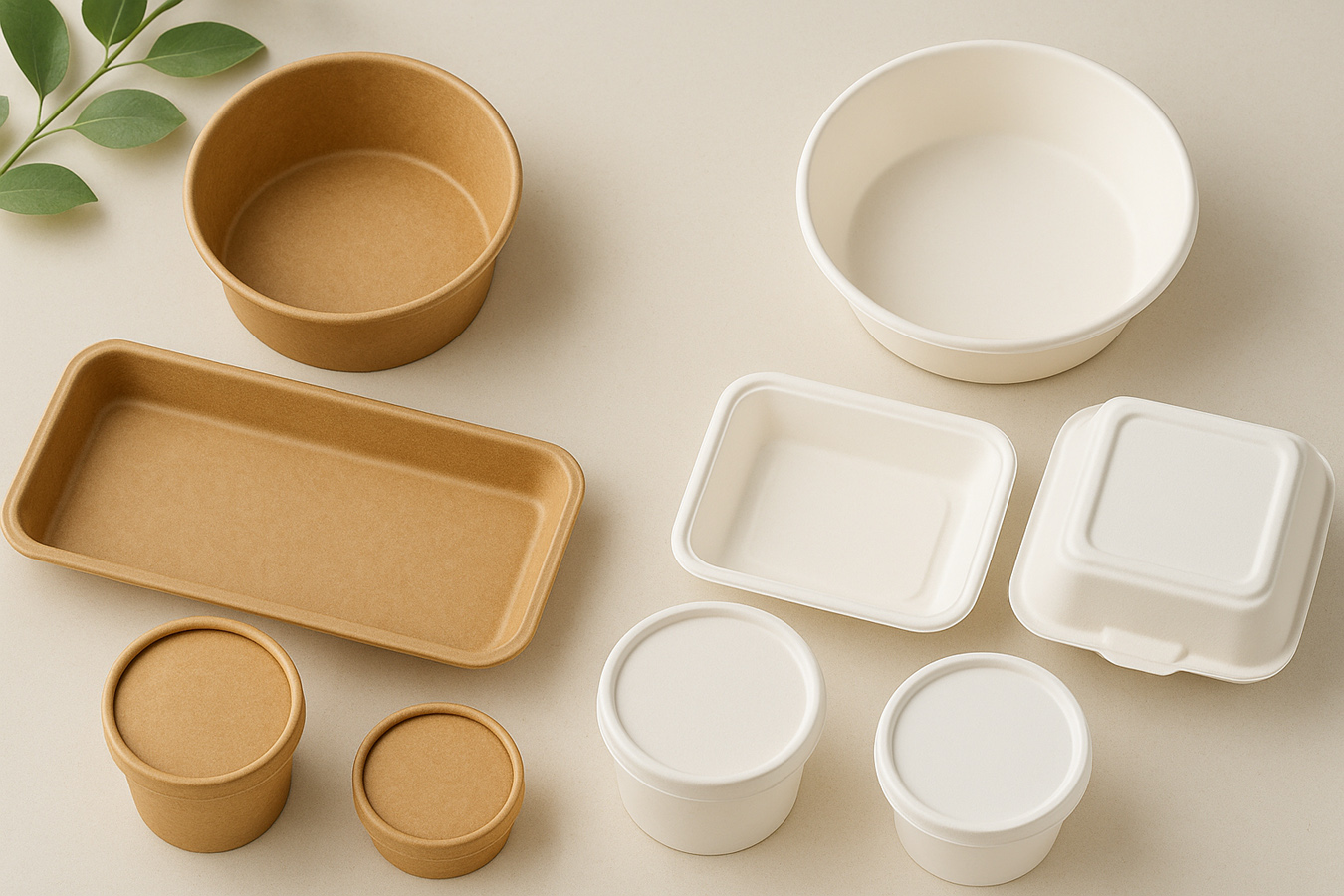
| Dimension | Bagasse Plates | Coated Paper | Foamed Plastics | Palm/Bamboo |
|---|---|---|---|---|
| Heat & Rigidity | High (microwave; brief 120–150°C) | Medium (often microwave only) | Low–Medium; heat limits | Medium (variable by thickness) |
| Oil/Water Barrier | High (PFAS-free achievable) | Coating-dependent; recyclability impacted | Moderate; oily seep common | Moderate; craft variability |
| Microwave/Oven | Microwave OK; brief oven | Often microwave-only; oven limited | Not advised | Depends on moisture/structure |
| End-of-Life | Industrial compost*; home compost region-dependent | Coatings complicate recycling/compost | Restricted; landfill-prone | Compostable (variable craftsmanship) |
*Industrial compostability per regional standards (e.g., EN13432/ASTM D6400).
9) Buyer’s Checklist: A Practical Due Diligence Framework
- Menu Mapping: Choose diameters, rim heights, grammage, and compartments based on dish categories, portion sizes, and sauce profiles.
- Heat & Leak Curves: Request supplier test curves (temperature × time × medium) and validate onsite with your actual dishes.
- Food Contact & PFAS-Free: Require current LFGB/FDA reports mapped to batch IDs and PFAS-free declarations with supporting tests.
- Compostability Claims: Align claims with target markets; specify industrial compostability and provide accurate labeling text.
- Packaging & Logistics: Compare carton dimensions, pallet stacking patterns, container load factors, and expected breakage rates.
- Branding & Aesthetics: Define embossing or print areas that elevate perception without affecting compostability.
- Supply Stability: Confirm lead times, monthly capacity, peak season buffers, and contingency plans.
- Cost Model: Evaluate delivered cost per compliant performance, not just EXW pricing—include freight, loss rates, and compliance admin.
10) Implementation Roadmap: From Pilot to Scale
10.1 Phase 1 — Pilot Validation
- Select 3–5 SKUs that map to 70–80% of your menu volume.
- Run heat/leak validations with actual dishes across a typical service window.
- Collect sensory feedback (odor, hand-feel, perceived quality) from frontline staff and a small customer panel.
- Audit supplier dossiers (LFGB/FDA, PFAS-free, compostability documentation) and confirm batch traceability.
10.2 Phase 2 — Operational Integration
- Optimize storage and picking: bagasse plates are typically well-nested; adjust shelf spacing to maximize picks per minute.
- Train staff on heat/handling windows; avoid long dry-heat exposure and improper oven use.
- Update waste streams: ensure organics/compost bins and signage are placed where disposal decisions occur.
10.3 Phase 3 — Scale and SKU Consolidation
- Reduce long-tail SKUs; stabilize to 8–10 core diameters plus a small compartment set.
- Negotiate freight on container load factors, not just carton counts; track densification gains.
- Refresh brand messaging: highlight PFAS-free and compostable credentials at touchpoints (menus, counters, digital ordering).
11) Risk Management: What to Watch For
- Misuse of Temperature Windows: Prolonged dry-oven exposure or direct contact with heating elements is outside spec.
- Ambiguous Compostability Claims: Use precise language—“industrially compostable to [standard]”—and avoid over-promising on home composting.
- Documentation Gaps: Insist on updated, batch-mapped reports; schedule periodic third-party screenings.
- Menu Mismatch: Ensure compartment layouts and rim heights match portion sizes and sauce viscosities.
12) The Strategic Narrative: Why Sugarcane Plates Are Becoming the Default
Sugarcane plates sit at the intersection of performance, policy, and perception. Operationally, they sustain hot, oily, and complex menus without typical failure modes. From a policy standpoint, they fit the direction of travel—less plastic, clearer claims, stronger organics systems. From a brand perspective, they visualize sustainability in a way customers intuitively understand: plant-based, PFAS-free options, and a compostable end-of-life. In combination, these vectors explain why bagasse plates are displacing coated papers and foamed plastics as the default for 2025 and beyond.
13) Executive Summary
- Performance: High rim stiffness, strong oil/water barrier, microwave suitability, short-term heat window (120–150°C).
- Compliance: LFGB/FDA + PFAS-free documentation; industrial compostability aligned with regional standards.
- TCO: Gains from container densification, fewer re-plates, simplified claim management.
- Rollout: Pilot with 3–5 SKUs, integrate compost streams, consolidate SKUs, and scale with freight optimization.
- Risk Controls: Clear temperature guidance, accurate compost claims, scheduled document refreshes.
Packaging Insight · Sugarcane Plates
- Positioning: Plastic-free mainstream dinnerware for hot, oily, and saucy dishes in modern takeaway and catering.
- Key Benefits: Microwave-safe; short-term 120–150°C heat tolerance (SKU-dependent); strong oil/water barrier; PFAS-free options; industrially compostable end-of-life.
- Compliance Map: Aligned with PPWR 2026/EPR directions and food contact law (LFGB/FDA), with batch traceability.
- Selection Logic: Diameter/grammage/rim height/compartments → menu mapping; leak duration → sauce/fat profile; carton/pallet → logistics cost.
- Best-Fit Industries: QSR/premium fast-casual, institutional catering, airline/rail, events & expos, food trucks & markets.
- Next Steps: Lock PFAS-free specs and compost claims; obtain heat/leak curves; start with 3–5 core SKUs and iterate using field data.
FAQ
1) Can sugarcane (bagasse) plates go in a microwave or oven?
Microwave-safe under typical conditions. Short oven use depends on SKU and temperature window (often 120–150°C for brief exposure). Always validate with supplier test curves and onsite checks.
2) Will sugarcane plates leak oil or broth?
Densified fiber structures and food-grade treatment achieve strong resistance to oil and water. Define a target no-leak duration for your menu and validate through field tests.
3) Are sugarcane plates PFAS-free?
PFAS-free formulations are available with documented testing. Confirm specifications and compliance documents before ordering.
4) Are they industrially or home compostable?
They are generally suitable for industrial composting per regional standards (e.g., EN13432/ASTM D6400). Home composting feasibility depends on local climate, feedstock, and guidance—follow local rules.
5) How do sugarcane plates compare on total cost of ownership (TCO)?
They often reduce TCO by improving container load efficiency, lowering leakage/deformation losses, and aligning with regulations, which reduces compliance risk.
6) How should I choose sizes and compartments?
Start with 8–10 core diameters plus a small set of compartments to cover most menus. Use historic dish data to tune rim height and grammage, then iterate with field feedback.